
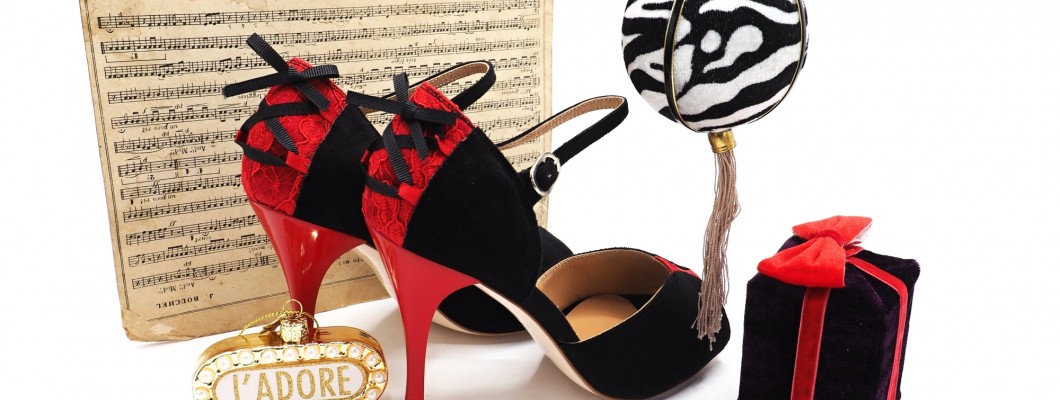
This is one of the questions we get most often. And it's a great one, because the answer is more nuanced than most people expect - and actually works in your favour.
The Basics: What
Each Dance Demands
Argentine tango is a
dance of walking, pivoting and close embrace. It demands precise footwork, a
flexible sole, and a heel that sits directly under the ball of your foot for
maximum balance. Salsa is faster, more open, and involves lots of spinning and
syncopated footwork. It rewards a secure fit, a good pivot point under the
forefoot, and - for many women - a heel high enough to look fabulous under
those stage lights.
Where They Overlap
Here's the beautiful
thing: a well-made tango shoe does salsa brilliantly. The open-toe designs, the
secure ankle straps, the brushed leather sole that gives just the right amount
of grip and slip - all of that is exactly what a serious Salsa dancer wants too. The same goes for Kizomba, Bachata, and Latin Ballroom. The
fundamentals of a great dance shoe transcend the specific dance style.
Heel Height: The
Real Variable
Where things genuinely
differ is heel height preference. Tango dancers often favour a slightly higher,
more dramatic heel - 8 or 9 cm - for the aesthetic of the dance. Salsa
dancers sometimes prefer a slightly lower, blockier heel for spinning ease. At
Lisadore, we offer heels from 5.5 cm all the way up to 9.5 cm, so you can dial
in exactly what works for your style and your body.
Our Recommendation
If you dance both Tango and Salsa - or you're
thinking of expanding your dance repertoire - invest in one truly excellent pair of
dancing shoes rather than two mediocre ones. A quality Lisadore or Comme il
Faut model will serve you brilliantly on any dance floor. Come see what we have
in stock. New models arrive every single month from Buenos Aires.
Happy dancing,
Martin